Source Straw Cover Options for Gift, Bar, and Party Use
Source 30 straw cover products from verified manufacturers in China. Compare PVC and PLA materials, custom logo options, and packaging details for bar accessories and gift applications. Evaluate MOQs, lead times, and shipping methods to find the best fit for your business needs.
Key considerations
Products List




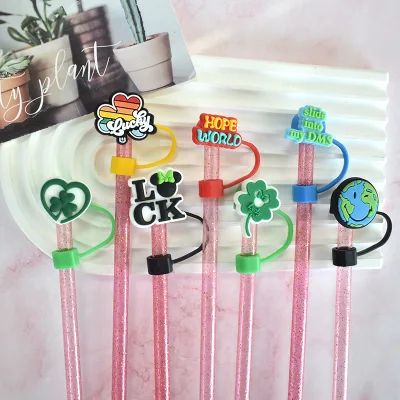
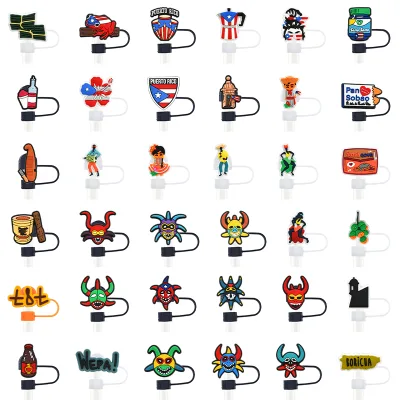


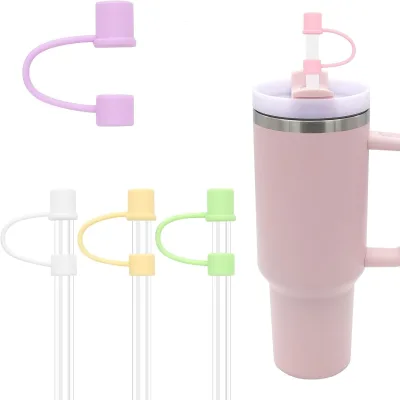

Comprehensive Sourcing Guide
Straw Cover Sourcing Guide
Buyers evaluating straw covers must first distinguish between single-use protective caps and reusable accessories designed for long-term beverage use. The market presents distinct product categories, ranging from small PVC toppers intended for gift packaging to larger, customizable PLA straws with matching covers. Understanding this distinction is critical, as the material composition and intended application dictate the appropriate supplier selection and regulatory compliance requirements for your specific business needs.
Procurement teams should also analyze the observed listing signals to identify the correct product tier. Current market data indicates a wide price variance from $0.02 to $135, driven by material differences and customization levels. While some listings offer basic PVC covers with minimal packaging, others provide complex, color-coded reusable sets with custom logo capabilities. Buyers must align their budget and volume requirements with these specific product attributes to avoid sourcing mismatches that could lead to quality issues or unexpected costs.
Product Scope and Observed Listing Signals
The product scope for straw covers includes diverse applications ranging from gift accessories to functional bar tools. Listings frequently identify these items as "Bar Accessories" or "Drinking Straws" with specific model numbers like 8HXM-XH24099 or JYSP0621012. The physical dimensions vary significantly, with some covers measuring approximately 2.5 to 3 cm for single-item packaging, while others are part of larger sets with package sizes reaching 20x20x10 cm. This variation requires buyers to verify the exact size and weight specifications against their operational needs before placing orders.
Observations of listing signals reveal that customization is a primary driver for many suppliers, with options for custom logos and specific color selections. Some products are marketed as "Fashionable" or "Gift" items, while others emphasize their utility as "Reusable Straws" made from biodegradable materials like PLA. Buyers should note that while some listings specify a single gross weight of 0.005 kg, others indicate heavier packaging weights of 1.500 kg, suggesting differences in bulk packaging strategies that will impact shipping calculations and storage requirements.
Technical Specifications to Verify
Technical verification must begin with material composition, as the supply chain offers both PVC and PLA options with distinct performance characteristics. PVC covers are often associated with standard bar accessories and may be packaged in OPP bags, whereas PLA variants are frequently marketed as eco-friendly reusable solutions. Buyers need to confirm the specific material grade and thickness, as these factors directly influence durability and suitability for different beverage types, ensuring the selected product meets the functional demands of the end-user.
Dimensional accuracy and packaging standards are equally critical for inventory management and product presentation. Specifications such as single package sizes of 3x3x1 cm or 20x20x10 cm must be validated against the actual product received to prevent discrepancies in shipping costs and shelf space allocation. Additionally, the model numbers and color codes, such as the extensive list of 8HXM-XH24099 variants, should be cross-referenced with the supplier's catalog to ensure the correct colorways and styles are delivered, especially when custom branding is involved.
Compliance and Safety Documentation
Compliance verification is essential when sourcing products intended for food contact, particularly those made from plastic or biodegradable materials. While some listings mention certifications like GMPC and ISO, buyers must request current, valid certificates that specifically cover the manufacturing facility and the product batch in question. It is important to distinguish between general company certifications and product-specific safety approvals, ensuring that the straw covers meet the regulatory standards required for the target market, whether domestic or international.
Buyers should also investigate the presence of specific chemical safety standards, such as REACH or EN 13432, which are often relevant for plastic and biodegradable products. Although these standards appear in background data, their applicability depends on the specific material claims made by the supplier. Procurement teams must verify if the PLA or PVC materials used in the straw covers have undergone appropriate testing for heavy metals and phthalates, ensuring that the final product is safe for consumer use and compliant with local food safety regulations.
Cost Drivers and Commercial Terms
Cost structures for straw covers are heavily influenced by material selection, order volume, and customization requirements. The observed MOQ ranges from 10 pieces to 20,000 bags, creating a significant price disparity between small trial orders and bulk procurement. Buyers should anticipate that custom logo printing and specific color selections will increase the unit cost, while standard, non-customized items in high volumes may offer more competitive pricing tiers. Understanding these variables is crucial for accurate budgeting and margin analysis.
Commercial terms regarding payment and delivery timelines must be clearly defined to mitigate supply chain risks. Listings indicate payment methods such as Alibaba or Western Union, and delivery times can range from 15 to 20 days after deposit receipt. Buyers need to negotiate clear terms for lead times, especially when dealing with custom orders that may require additional production time. Establishing a reliable payment schedule and confirming the exact delivery window helps prevent delays and ensures that inventory levels are maintained to meet customer demand.
Supplier Qualification and Quality Control
Supplier qualification should focus on verifying the origin and production capabilities of the manufacturer. Many listings indicate origins in Fujian or Zhejiang, China, regions known for plastic and packaging manufacturing. Buyers must confirm the supplier's ability to maintain consistent quality across large batches, particularly when dealing with custom colors and logos. Requesting samples before full production is a standard practice to validate the physical attributes, such as weight and finish, against the provided specifications.
Quality control protocols must be established to ensure that the final products meet the agreed-upon standards. This includes checking for defects in the PVC or PLA materials, verifying the accuracy of the printed logos, and ensuring that packaging is secure to prevent damage during transit. Buyers should also inquire about the supplier's internal quality assurance processes, such as random sampling rates and defect rejection criteria, to ensure that the delivered straw covers are free from manufacturing flaws and ready for immediate distribution.
Long-Term Procurement Checks
Long-term procurement success relies on establishing a reliable supply chain that can adapt to changing market demands and regulatory landscapes. Buyers should regularly review supplier performance metrics, including on-time delivery rates and consistency in product quality, to identify any potential issues before they impact operations. Building a strong relationship with the supplier allows for better communication regarding production capacity and potential supply chain disruptions, ensuring a steady flow of straw covers for your business needs.
Continuous monitoring of market trends and material innovations is also vital for maintaining a competitive edge. As sustainability becomes a priority, buyers should stay informed about new materials and certifications that may offer advantages over current PVC options. Regularly reassessing the product specifications and supplier capabilities ensures that the sourcing strategy remains aligned with business goals and consumer expectations, allowing for strategic adjustments that enhance efficiency and product value over time.
FAQs
What materials are commonly used for straw covers?
Straw covers are commonly made from PVC or other food-safe plastic, while some drinking straws use PLA material. PVC covers are lightweight, flexible, and easy to mold into decorative shapes. When comparing products, check the listed material, single gross weight, and package size, and confirm with the supplier that the material suits your intended application and packing method.
Can straw covers be customized with a custom logo?
Yes, custom logo printing is acceptable for many straw cover products, and customization is generally available. You typically provide your artwork, confirm colors and design, and approve a sample before mass production. Custom orders usually require higher minimum quantities than stock items, so confirm the MOQ, printing method, extra cost, and lead time with the supplier before placing your order.
What is the typical MOQ for straw cover orders?
Minimum order quantities vary widely by product type. Stocked PVC straw toppers may be available from as low as 10 pieces, while customized printed drinking straws are often sold in bulk with MOQs around 20000 bags. Always check the MOQ listed for the specific model, since customized designs, colors, and packaging choices can change the minimum quantity required.
What sizes of straw covers are available?
Straw covers are commonly sized around 2.5 to 3 cm to fit standard drinking straws, with a single package size near 3X3X1 cm. Straw products themselves may come in sizes such as 5*240mm, and many suppliers offer custom sizes on request. Measure your straw diameter before ordering, and confirm compatibility with the supplier to ensure the cover fits securely.
How are straw covers packed and shipped?
Straw covers are typically packed in opp bags with carton packing for bulk shipments, and selling units are usually single items. Shipping is commonly arranged by express or standard methods, with weight around 3 to 5 grams per piece keeping freight costs low. Confirm the packing format, carton dimensions, and shipping options with the supplier, especially for customized or mixed-color orders.
Which payment methods do straw cover suppliers accept?
Common payment options include Alibaba trade assurance and Western Union, though accepted methods vary by supplier. Trade assurance offers order protection, while direct transfers may suit repeat buyers with established relationships. Payment terms often involve a deposit before production and balance before shipment, so confirm the exact terms, deposit percentage, and any applicable fees before confirming your straw cover order.
What is the typical delivery time for straw cover orders?
Delivery time commonly ranges from 15 to 20 days after the supplier receives the deposit, depending on order size and customization level. Stocked items can ship faster, while custom logo printing or custom colors add production steps. Confirm the quoted lead time in writing, factor in shipping transit time, and plan your order schedule with buffer time for peak production seasons.
Which colors and styles can I choose for straw covers?
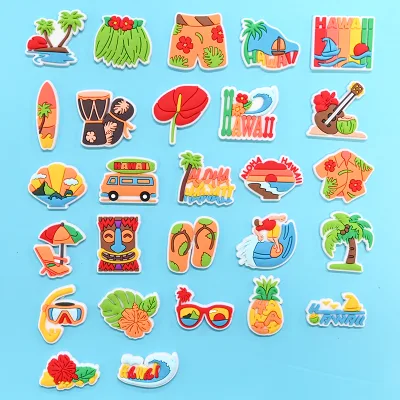
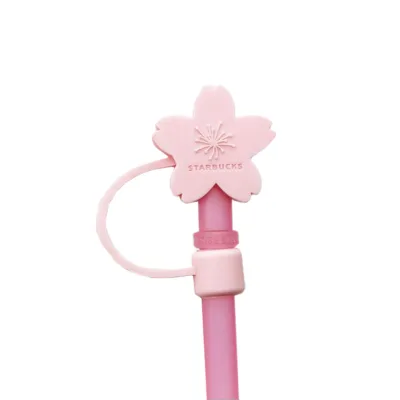
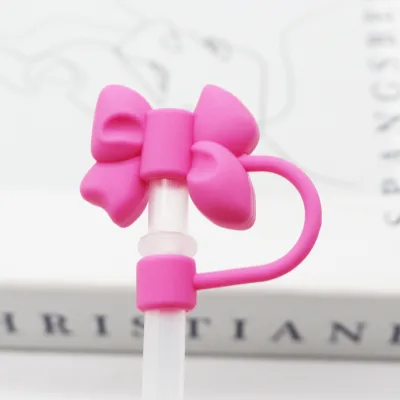
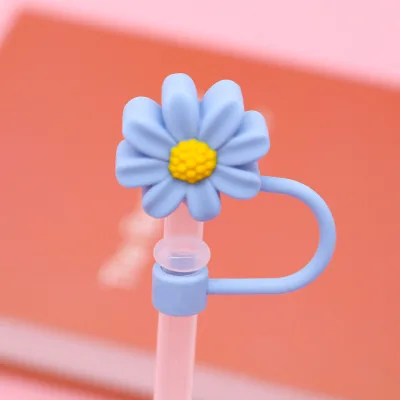
Available colors typically follow the product pictures, and many models come in multiple numbered color variants so buyers can mix designs in one order. Styles are generally fashionable and decorative, suited to gift applications and promotional use. Customized colors and printed designs are often acceptable, so request samples of your preferred variants to check appearance and quality before committing.